

Body-Based Therapy
Body-based therapy begins with a simple understanding: stress, trauma, and the exhaustion of navigating a world that wasn't designed for your nervous system all live in the body, not just in thoughts. For autistic and neurodivergent clients especially, years of masking, sensory overload, and emotional suppression show up as tight muscles, shallow breathing, constant alertness, or a sense of shutting down completely.
In this work, we slow things down and gently reconnect with the signals your body has been sending. Through somatic awareness, grounding practices, breathwork, and intentional movement, we help the nervous system shift out of survival mode and into a greater sense of safety and presence.
EFT, also known as tapping, is often integrated into this process. Tapping uses gentle pressure on specific points in the body while bringing awareness to emotions or stress. This sends calming signals to the brain, helping emotional intensity soften and interrupt patterns of anxiety, overwhelm, or self doubt. For neurodivergent clients who experience rejection sensitivity, social anxiety, or emotional dysregulation, EFT can be particularly effective, offering a concrete, repeatable tool that works even when words feel out of reach.
Body-based therapy allows healing to happen without reliving past experiences. As the body begins to feel safer, emotions become more manageable, thoughts clearer, and self trust naturally strengthens. Many clients, including those who have spent years in talk therapy without feeling truly better, find that this is the work that finally moves something.
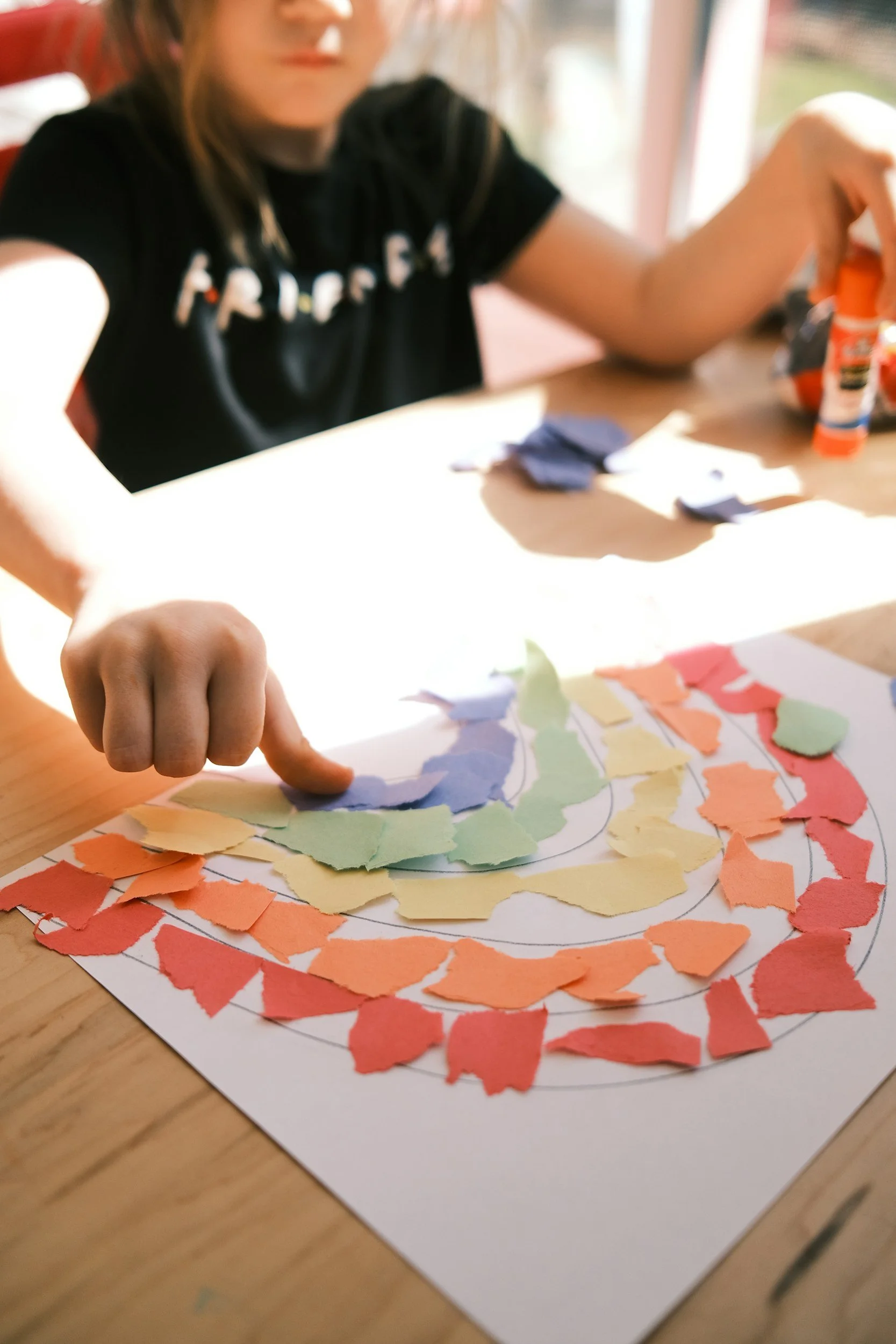
Art-Based Therapy
Art-based therapy offers something most therapy never does, a way to express what you've never been able to say out loud. For many people, especially autistic and neurodivergent clients, the pressure to verbalize inner experience has always felt like translating from a language that doesn't quite fit. Art removes that pressure entirely.
In this work, we use simple creative processes: drawing, painting, coloring, collage, and imagery, not to make something beautiful, but to give your nervous system a channel. What comes out on paper often reveals what words have been circling around for years. The focus is never on doing it correctly. It's on noticing what shows up when you finally have a safe place to put it.
For adolescents, art provides a natural way to access and express emotions that feel too big, too confusing, or too vulnerable to speak directly. For adults, including late-diagnosed neurodivergent clients who have spent decades masking, suppressing, or intellectualizing their inner world, art-based therapy is often the first place something real finally gets expressed.
For autistic clients specifically, this work is particularly powerful. Many autistic people are deeply visual, highly creative, and more connected to imagery and sensation than to verbal language. Art-based therapy works with that wiring rather than against it.
No artistic experience needed. No right or wrong. Many clients find this work reaches places that years of talk therapy never touched; unlocking a deeper sense of calm, self-understanding, and finally feeling at home in who they are.

Internal Family Systems
IFS is a compassionate, parts-based approach that views you as made up of many inner voices: protective parts that manage pain, parts that carry old hurt, and parts that have worked incredibly hard just to get you through. Beneath all of them is something steady and whole: your Self. The calm, grounded core that has always been there, even when it's been hard to access.
For autistic and neurodivergent clients, IFS often lands differently than any therapy they've tried before. It doesn't ask you to change how you're wired. It doesn't pathologize your responses or ask why you can't just react differently. Instead it gets curious about why certain parts of you shut down in social situations, why rejection feels so enormous, why masking has become so automatic you've forgotten what's underneath it. IFS makes sense of all of it without judgment.
In this work, we don't push parts away or shame how you've coped. We approach each part with genuine curiosity, help them feel safe enough to soften, and allow healing to unfold at its own pace. Many clients, especially those who have felt fundamentally misunderstood their whole lives, describe IFS as the first time they've felt truly seen, even by themselves.
This approach is also deeply supportive for those healing from relational trauma, narcissistic abuse, or long periods of emotional confusion. Rather than reliving memories, we focus on restoring inner safety and trust, so you can move through life feeling more grounded, regulated, and like yourself again.
The goal of IFS isn't to fix you or change who you are. It's to help every part of you feel heard: so your truest Self can finally lead the way.

Couples/Co-parenting Counseling
Relationships rarely break in one moment. More often they wear down slowly, when partners stop feeling understood, when communication keeps missing each other, when conflict triggers something in the body faster than either person can think. My work with couples is grounded in Gottman Method Couples Therapy, offered in a calm, non-judgmental space where both partners can slow down and finally feel heard.
We focus on patterns rather than blame. How you communicate. How your nervous systems respond to each other under stress. How disconnection happens in the space between a look and a reaction, before either of you has said a word.
For neurodivergent couples and mixed neurotype relationships where one or both partners may be autistic, ADHD, or otherwise neurodivergent, this work is especially meaningful. Communication differences, sensory needs, emotional regulation challenges, and the impact of years of masking can all create distance that neither partner intended. This is a space that understands that dynamic and works with it directly, without pathologizing either person.
I also support couples healing from relational trauma, navigating unhealthy or confusing relationship patterns, and co-parents working to reduce conflict and create healthier, child-centered ways of working together.
The goal is not perfection. It's connection, clarity, and a relationship where both people finally feel safe enough to be themselves.